Corporate video mistakes usually are not the result of an inadequate budget, but rather of a lack of proper planning and unclear objectives. Video with poor sound, a wooden speaker or a confusing message will say something about your company whether or not you want it to. If you are responsible for marketing, recruitment or company communication, learning what these corporate video mistakes are before shooting could help you save weeks of effort. Below you will find seven of the most common corporate video mistakes, and ways to deal with them.
What Are Corporate Video Mistakes?
Corporate video mistakes refer to planning and production problems, and to errors in the message of a company video which reduce its credibility and effectiveness in performing its functions, which include informing, recruiting and selling. These mistakes are found in company profiles, product videos, leadership videos, event videos and testimonial videos. Fortunately, most of them can be avoided.
7 Corporate Video Mistakes That Make a Brand Look Unprofessional
1. Why Is Starting Without a Clear Goal a Problem?
A video with no goal is trying to communicate everything and succeeds in communicating nothing. Out of all possible video mistakes, this is the most costly one since it influences all further decisions.
Choose one aim (inspire trust, present a product, recruit employees) and one target group. A company’s video for investors will have another approach and format compared to one that is made for fresh graduates. Think through what the viewer should have learned after watching and write down the end of this sentence: “After watching, the viewer should ___.”
2. Does Poor Audio Quality Really Matter That Much?
No, it isn’t. People usually forgive a little bit blurry video faster than echoes, hum or inconsistent volume levels. Low-quality audio makes it difficult to understand the message and makes people think about poor production.
Use lavalier or shotgun microphones, record in a silent room, do a short sound check before recording. Conference room with glass walls and an air conditioner is a good example of a bad recording place.
3. How Do You Avoid a Stiff, Over-Scripted Delivery?
When leaders read a presentation from a script, they usually come across as nervous. Write using talking points, or record an interview where the interviewee is asked questions and then edit the responses. Practice, shorter takes and a comfortable environment work better than a perfect script.
4. What Happens When Branding Is Inconsistent?
Different fonts, old logos, or a color palette that does not reflect your website can make your video feel like it isn’t really your brand video. Give your editing team your branding guidelines before post-production begins. Keep everything from lower thirds to color grading, to the style and tone of the music the same throughout all videos.
5. How Long Should a Corporate Video Be?
As a rule of thumb, social media videos should be 30-60 seconds, explanatory videos should be one to two minutes, and videos about a company profile should be two to three minutes long. This is not the hard rule, but length is a very common mistake for corporate videos. If the clip doesn’t contribute to the goals of the video, delete it.
6. Why Do Lighting and Framing Make Such a Difference?
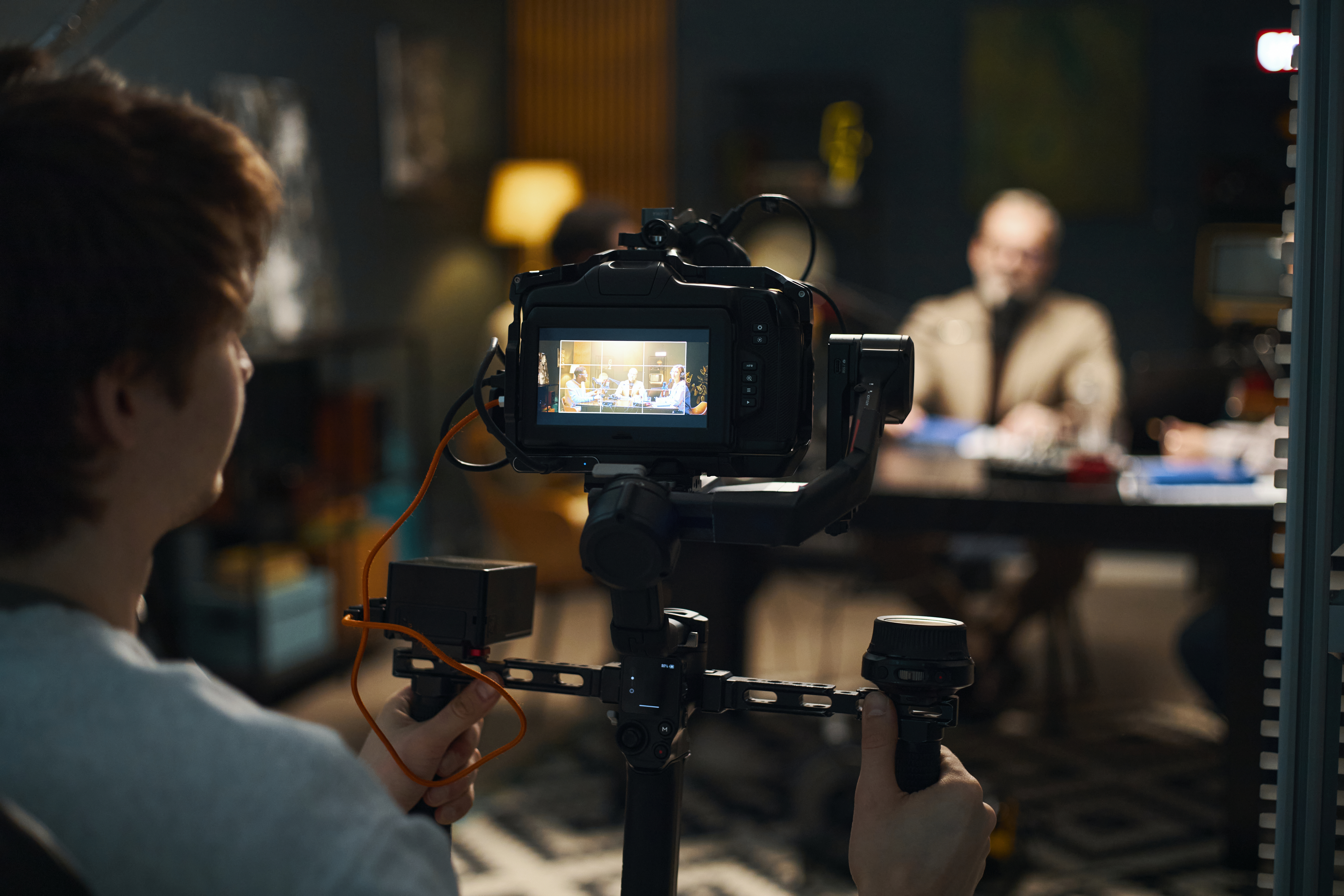
Shadows, a messy backdrop, poor footage or an off-center speaking person will reduce the quality of your brand video. Employ soft lighting that is directional, clean up the backdrop, and mount the camera on a tripod or a gimbal at eye level. Such simple changes will make the speaker more trustworthy.
7. What If the Video Does Not Have a Call to Action or a Strategy?
A lot of videos just end and don’t provide the audience with any kind of instructions on what should be done after watching it. You should add some action such as going to a website, setting up an appointment or downloading a brochure. Plan the distribution of the video in advance. One shooting can help you get the whole video for the website, cuts for LinkedIn and captions for autoplay.
How Can You Avoid Corporate Video Mistakes? A Step-by-Step Approach
- Start off by defining the goal and the target audience in one sentence.
- Write out a brief and prepare a rough outline or storyboard.
- Check the environment for audio, lighting, and background issues before the shooting.
- Brief the people that will appear in the video rather than giving a script.
- Check whether the rough cut meets your original brief and not your personal preference.
- Arrange for the means through which you will distribute the video.
If you would prefer not doing this on your own, there is a company that will help you plan, film, and edit this for you. OKO Studios offers services in corporate videos, industrial films, events, testimonial videos and motion graphics.
Conclusion: Avoiding Corporate Video Mistakes Starts with Planning
As a reminder: define an objective, take care of audio quality, maintain naturalness, stay in character, don’t overstay your welcome, frame and light appropriately and always provide the viewer with next steps. Not making corporate video mistakes is not about having more budget, but about making decisions ahead of time and evaluating your video in relation to its objectives.
If you have an idea for a corporate video including company profile, product video and event video and would like a second opinion as to its scope, please feel free to reach out to OKO Studios for a quote or consultation.
Frequently Asked Questions
1. What are some common mistakes made when making a corporate video?
Common corporate video mistakes include lack of a clear objective, poor audio, stiff scripting, inconsistency with branding, lengthy content, improper lighting and lack of call to action. All of these are usually due to insufficient pre-production stage.
2. How long should the corporate video be?
A good rule of thumb would be to strive for 30-60 seconds in social media context, 1-2 minutes if the goal is to explain a product, and 2-3 minutes if you make an introduction about the company. Longer formats might work in case of educational and documentary videos, but then all scenes should contribute to the idea and hold the audience.
3. Is audio more important than video quality?
Sometimes it is. Soft video is easier to watch than echo, noise and fluctuation in volume that interfere with understanding of the message. Using a decent microphone in a soundproof room will always help in making a video of high standard.
4. How to make the leaders appear natural in front of the camera?
Instead of writing a script, make sure there are just some key points the interviewee will talk about. Pick up a format of the conversation rather than a lecture. Give your speakers time to rehearse and retake and shoot the video in a comfortable atmosphere.
5. When would it be a good idea to get a video production company?
It is advisable to engage the services of professional people when you need an external video for representation of your brand online or offline, such as on your website, among investors, or even during a recruitment campaign.