Introduction
If you’re planning a corporate video, product video, or explainer video, one of the most common questions is:
“How does the video production process actually work?”
Many businesses assume it’s just filming and editing. In reality, professional video production involves multiple structured stages — each critical to the final outcome.
In this guide, we’ll break down the complete video production process step by step, so you understand:
- What happens before filming
- What happens during the shoot
- What happens in post-production
- Timelines
- Common mistakes to avoid
Whether you’re a startup, IT company, manufacturer, or real estate developer — this process applies across industries.
The 3 Main Stages of Video Production
The video production process is divided into:
1️⃣ Pre-Production
2️⃣ Production
3️⃣ Post-Production
Let’s break each stage down clearly.
1️⃣ Pre-Production (Planning Phase)
This is the most important stage.
A well-planned video performs better — even if the production is simple.
Step 1: Discovery & Goal Setting
This includes understanding:
- Why you need the video
- Who the target audience is
- Where it will be used (website, LinkedIn, ads, etc.)
- What action viewers should take
Without clarity here, the video may look good but fail to convert.
Step 2: Concept Development
This is where the creative direction is decided.
Examples:
- Corporate documentary style
- Founder-led storytelling
- Animated explainer
- Product demo walkthrough
- Cinematic brand film
The concept shapes everything that follows.
Step 3: Scriptwriting
A strong script includes:
- Hook (first 10–15 seconds)
- Problem
- Solution
- Key highlights
- Social proof
- Clear call-to-action
Most video failures happen due to weak scripting — not weak visuals.
Step 4: Storyboarding
For structured videos, we create:
- Scene-by-scene breakdown
- Visual plan
- Shot list
- Animation direction
This prevents confusion during the shoot.
Step 5: Production Planning
Includes:
- Shoot schedule
- Location selection
- Talent coordination
- Equipment planning
- Permissions (especially drone shoots)
Once pre-production is complete, execution becomes smoother and faster.
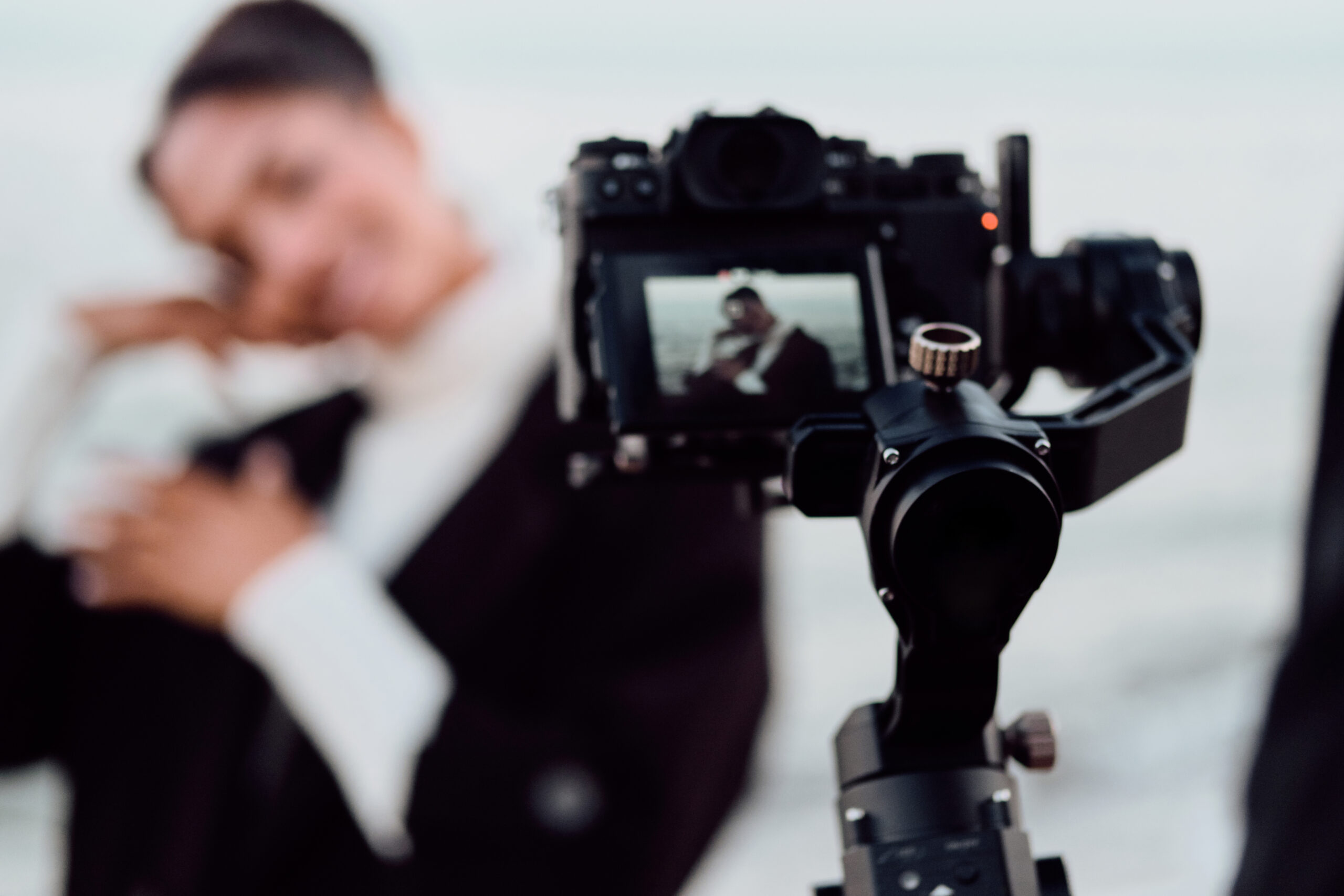
2️⃣ Production (Filming Phase)
This is where filming happens.
Depending on the project, this may include:
- Corporate interviews
- Product demonstrations
- Factory walkthroughs
- Real estate shoots
- Founder videos
- Lifestyle visuals
What Happens During a Professional Shoot?
🎥 Camera Setup
High-quality cameras for clean visuals.
💡 Lighting Setup
Proper lighting improves brand perception instantly.
🎤 Audio Recording
Clear sound is critical. Poor audio reduces credibility.
🎬 Direction
Guiding speakers so messaging feels natural and confident.
📸 B-Roll Capture
Supporting visuals that make editing dynamic and engaging.
The shoot duration may range from:
- 4–6 hours (basic)
- 1 full day
- Multiple days (large projects)
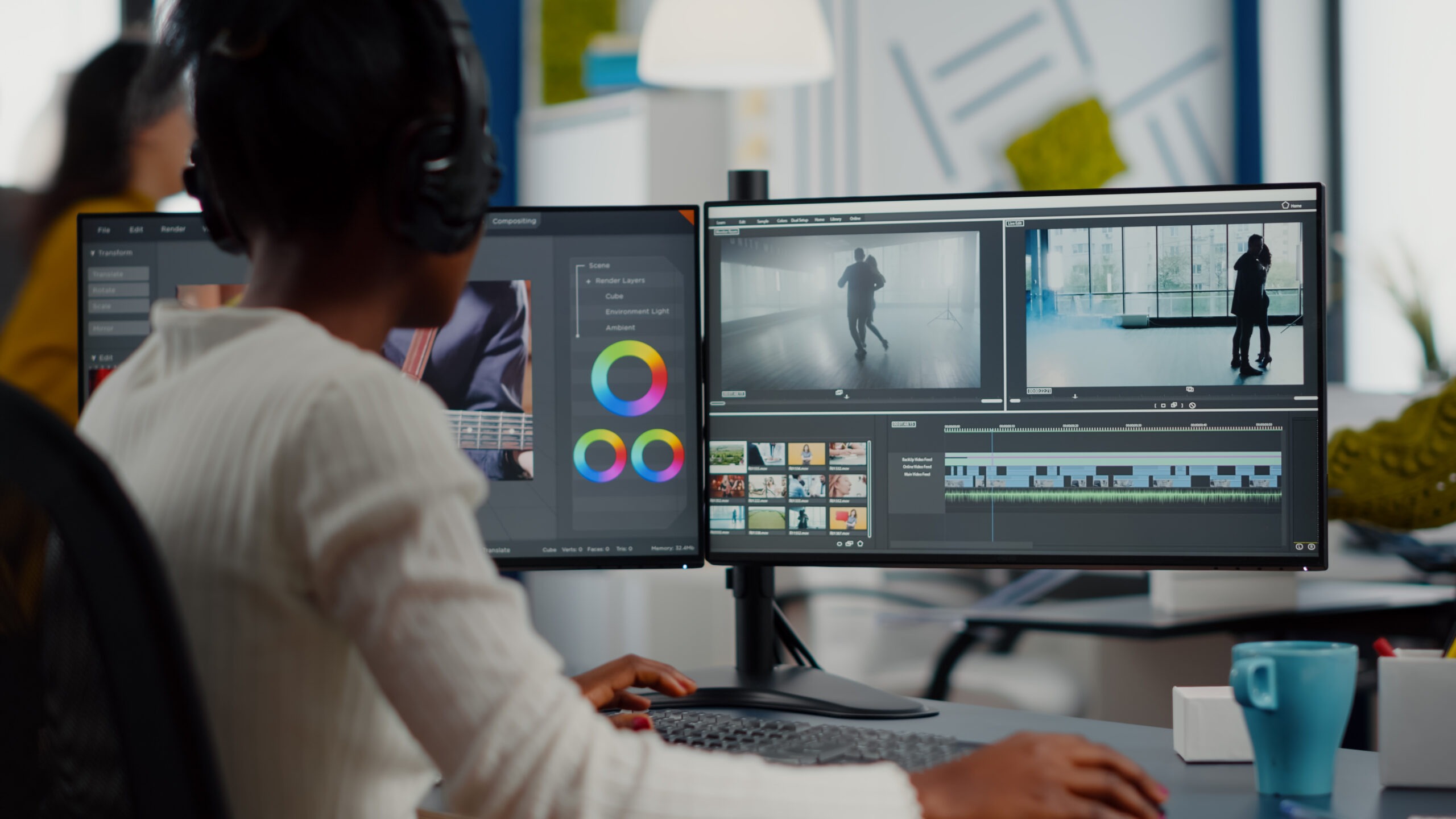
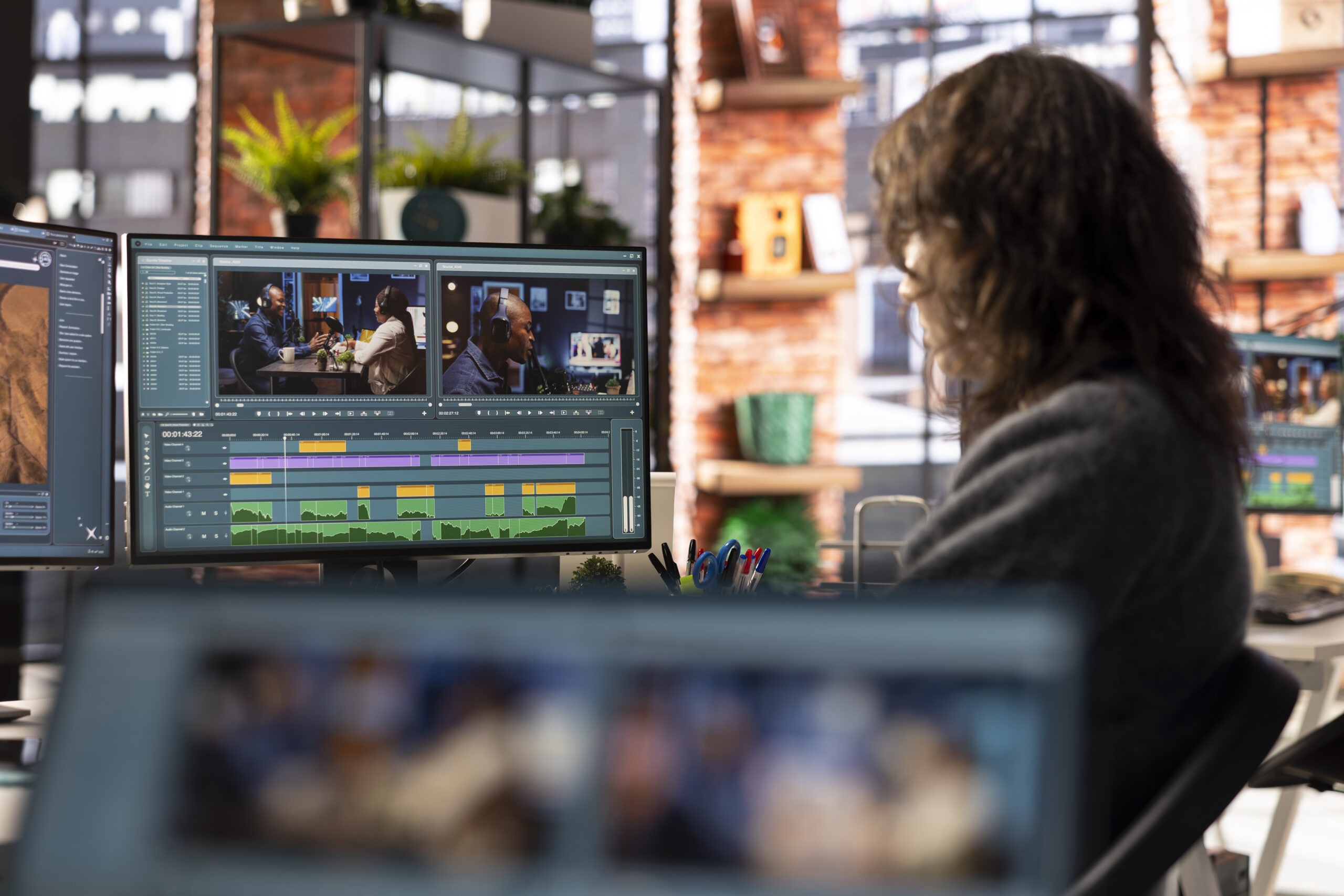
3️⃣ Post-Production (Editing Phase)
This is where the video truly comes to life.
Step 1: Editing
Editors:
- Select best footage
- Structure story
- Trim unnecessary sections
- Maintain pacing
Step 2: Motion Graphics
Includes:
- Titles
- Logo animation
- Data overlays
- Icons
- UI animation
- Branding elements
Motion graphics improve clarity and professionalism.
Step 3: Music & Sound Design
Background music sets tone.
Sound design adds:
- Subtle effects
- Transitions
- Atmosphere
Step 4: Color Grading
Enhances:
- Skin tones
- Brand consistency
- Visual mood
- Overall premium feel
Step 5: Subtitles & Multi-Format Exports
Modern video production includes:
- 16:9 (Website / YouTube)
- 1:1 (LinkedIn)
- 9:16 (Instagram / Reels)
Subtitles are essential — especially for LinkedIn and global audiences.
How Long Does the Video Production Process Take?
Typical timelines:
- Simple video → 1–2 weeks
- Corporate / product video → 2–3 weeks
- Advanced brand film → 3–6 weeks
- Motion graphics explainer → 2–4 weeks
Timelines depend on:
- Script approvals
- Shoot complexity
- Revision rounds
- Animation level
Common Mistakes Businesses Make
❌ Skipping proper scripting
❌ Rushing pre-production
❌ Not defining a clear objective
❌ Overloading the video with information
❌ Ignoring audio quality
❌ Not planning for multiple formats
Why Pre-Production Is the Most Important Stage
Many businesses focus only on equipment.
But in reality:
Strategy > Script > Structure > Visual Quality.
Even a simple production can perform extremely well if messaging is clear.
Video Production Process for Different Types of Videos
The core process remains the same, but emphasis changes.
Corporate Videos
More focus on interviews, office visuals, and brand positioning.
SaaS Explainer Videos
More focus on script clarity and motion graphics.
Manufacturing Videos
More focus on process coverage and infrastructure scale.
Real Estate Videos
More focus on camera movement and visual appeal.
Why Work with a Professional Video Production Company?
A professional team ensures:
- Structured planning
- Clear messaging
- Efficient shoot days
- High-quality visuals
- Clean editing
- Strategic distribution formats
Without structure, video projects often get delayed or underperform.
How OKO Studios Handles the Video Production Process
At OKO Studios, we focus on:
- Strategy-first planning
- Clear scripting
- Professional production execution
- Motion graphics integration
- Clean, modern editing
- Multi-format delivery
We work with:
- IT companies
- SaaS startups
- Manufacturing brands
- Real estate developers
- D2C brands
Ensuring every stage — from concept to delivery — is aligned with business goals.
FAQs (SEO Optimized)
1) What are the 3 stages of video production?
Pre-production, production, and post-production.
2) How long does video production take?
Typically 2–4 weeks depending on complexity.
3) Is scripting really necessary?
Yes. Strong scripting significantly improves video performance.
4) Can small businesses follow the same process?
Yes — even smaller projects benefit from structured planning.
5) Do all videos require motion graphics?
Not always, but they enhance clarity and professionalism.
Final Thoughts
The video production process is not just about filming — it’s about strategy, structure, and storytelling.
When done correctly, video becomes one of the most powerful business tools for:
- Marketing
- Sales
- Recruitment
- Brand positioning
If you’re planning a corporate, product, or explainer video and want a structured approach from start to finish, OKO Studios can help you execute it professionally and strategically.